When hot weather arrives, many businesses and workplaces look for a practical solution to cool work environments, workshops, shops, outdoor areas, or industrial warehouses.
The two most common options are the portable air conditioner and the portable evaporative air cooler. Although they are often confused, these are completely different technologies, with very different operating principles, energy consumption, and applications.
Understanding which one to choose is essential to avoid high energy costs, poor performance, or systems unsuitable for the environment to be cooled.
Difference Between Portable Air Conditioner and Evaporative Air Cooler
Portable Air Conditioner
The air conditioner uses a refrigeration circuit with refrigerant gas.
The air is cooled through an internal coil, and the heat is expelled outside via an exhaust hose.
To work properly:
- Doors and windows must remain closed
- An exhaust outlet to the outside is required
- Energy consumption is high
Portable Evaporative Air Cooler
The evaporative cooler works in a completely natural way.
Warm air passes through water-soaked cooling pads and, thanks to evaporation, cooler air is released into the environment. It does not use refrigerant gases and does not require an exhaust hose.
It can operate:
- In industrial or outdoor spaces.
- With doors and gates open
- In semi-open environments
How a Portable Evaporative Air Cooler Works
| Feature | Portable Air Conditioner | Evaporative Air Cooler |
| Technology | Refrigerant gas | Water + evaporation |
| Exhaust hose | Required | Not required |
| Open doors | No | Yes |
| Energy consumption | High | Very low |
| Air exchange | None | Continuous |
| Refrigerant gases | Yes | No |
| Outdoor use | Inefficient | Ideal |
| Environmental impact | Higher | Lower |
| Installation | More complex | Immediate |
When to Choose a Portable Air Conditioner
An air conditioner may be suitable when:
- The room is small and closed
- A precise temperature control is required
- High dehumidification is needed
When a Portable Evaporative Air Cooler Is the Better Choice
An evaporative air cooler is ideal for:
- Industrial warehouses
- Workshops
- Storage facilities
- Outdoor dining areas and terraces
- Events and temporary structures
- Spaces with open doors
In these environments, traditional air conditioners would be inefficient or too expensive to operate.
Key Advantages
Low Energy Consumption
Evaporative coolers use significantly less energy compared to traditional air conditioners.
No Refrigerant Gases
They work only with air and water, making them environmentally friendly.
Localized Cooling
They allow cooling only where it is needed.
Easy to Use
Simply plug them in and fill the water tank.
Perfect for Open Environments
They remain effective even with doors and windows open.
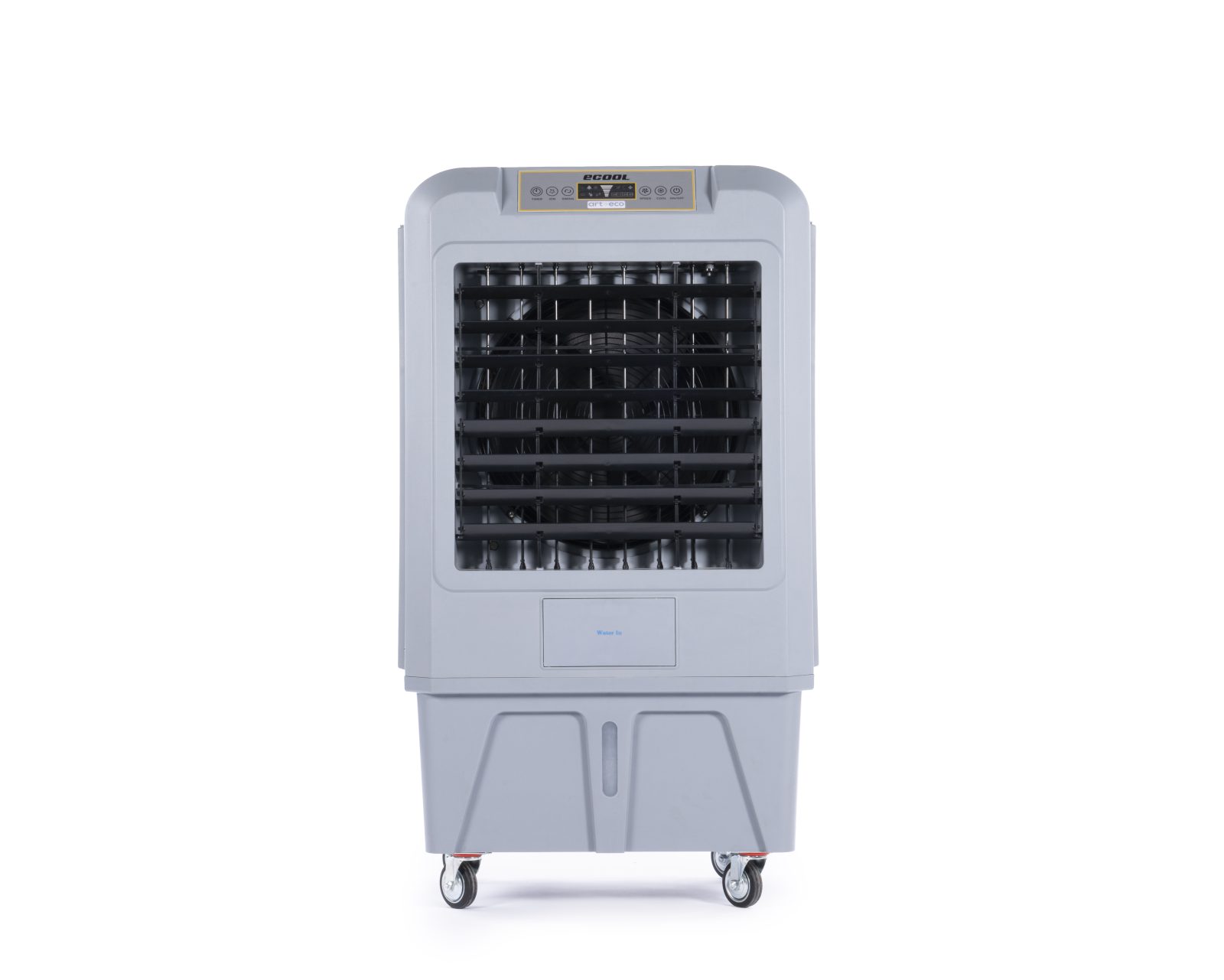
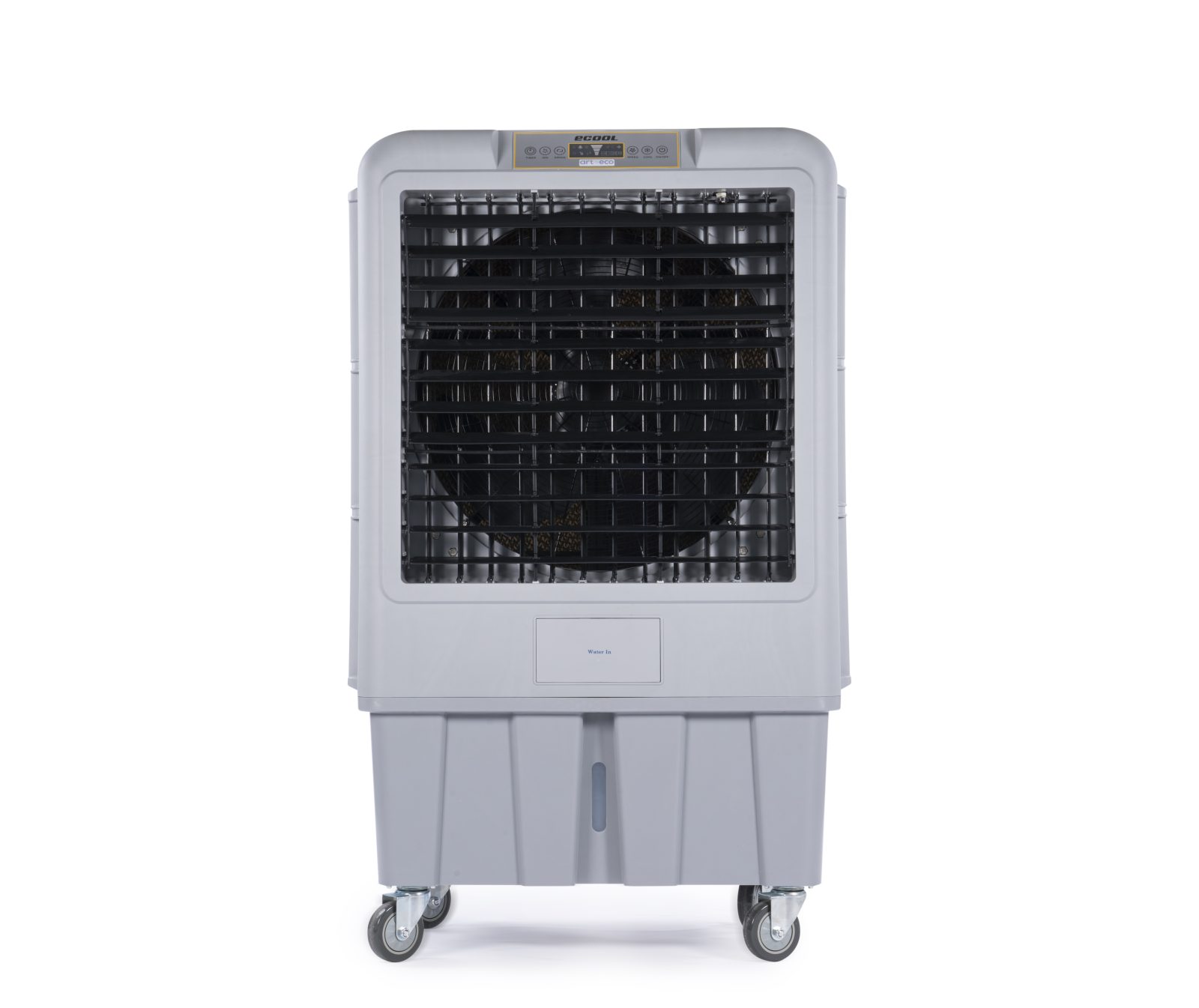
Real Examples: Art-Eco Portable Air Coolers
Art-Eco offers several portable evaporative cooling solutions for industrial and commercial environments.
How Much Does an Evaporative Cooler Consume?
One of the main advantages is energy savings.
Evaporative systems can reduce:
- Up to 90% lower operating costs compared to traditional air conditioners
- Up to 75% lower installation costs
Which One Should You Choose?
CThe choice mainly depends on the environment.
- A closed room → portable air conditioner
- A warehouse or open space → evaporative air cooler
In most industrial, commercial, and outdoor environments, evaporative cooling is today the most efficient, cost-effective, and sustainable solution.
Conclusion
Portable air conditioners and evaporative air coolers are two very different technologies.
Air conditioners are designed for small, closed environments, while evaporative coolers provide maximum benefits in open, industrial, or highly ventilated spaces.
By relying on Art-Eco, you can access professional solutions designed to ensure comfort, low energy consumption, and maximum efficiency even in the most demanding working conditions.
Are you interested in more information
on evaporative cooling
Scopri i nostri prodotti